
.png)
.webp)
You weren't taught it this way - and that's OK. Here's how to support your child when you can't help with the homework, and keep them progressing anyway.
Independence is built, not born - here's how to raise a self-directed learner in the primary years, and how to know when to step in.
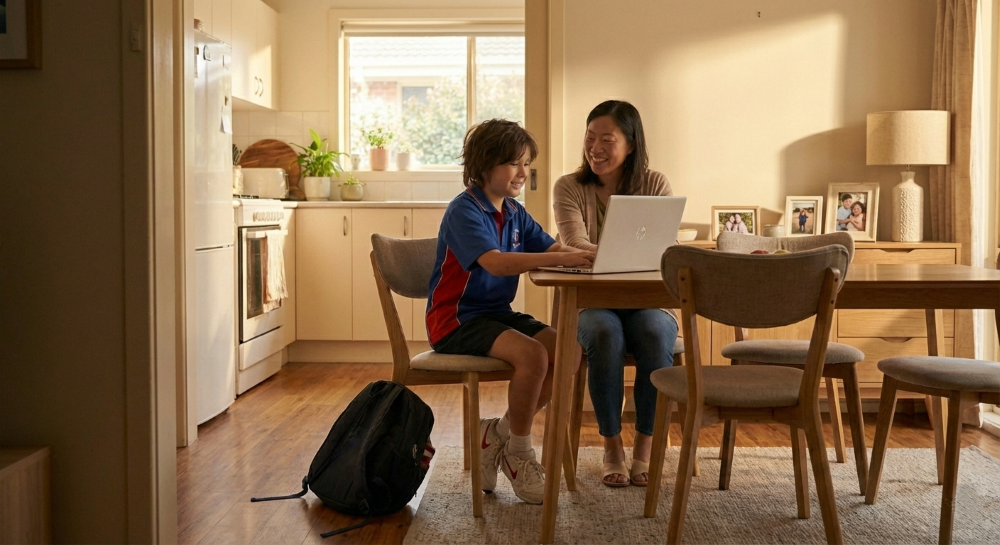
By the time your child reaches Year 12, you've likely stopped being able to help with the actual work - and that's how it should be. Your role in exam season is quieter and, in some ways, harder: you're the steady presence in the background while they do the hard part. Done well, that steadiness is one of the most valuable things you can give them this year.
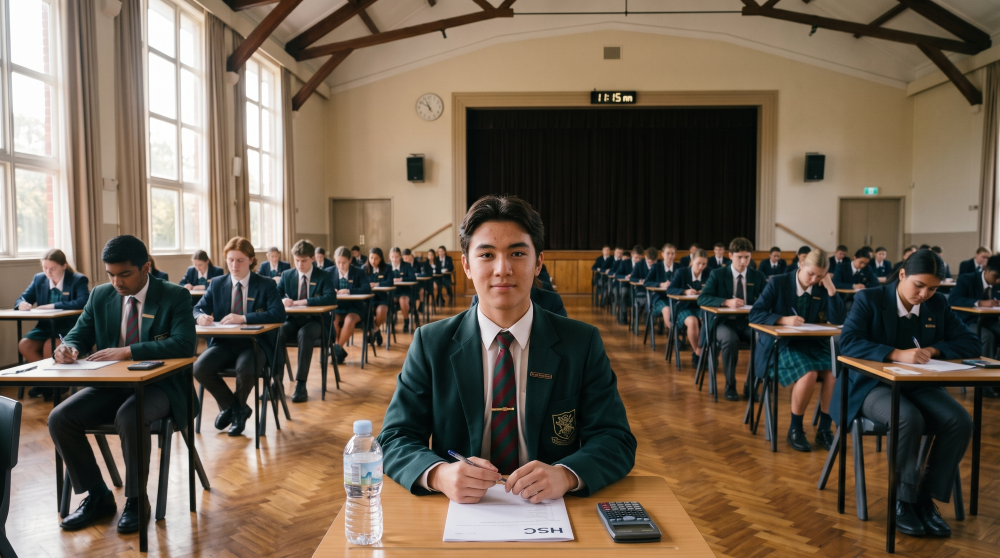
Trials are weeks away, and behind you sits two years of course content. If your plan is "revise everything," you have a maths problem: there isn't enough time to do it properly, so everything gets revised badly. The students who walk into trials calm aren't the ones who covered the most - they're the ones who found their gaps early and spent their hours there.
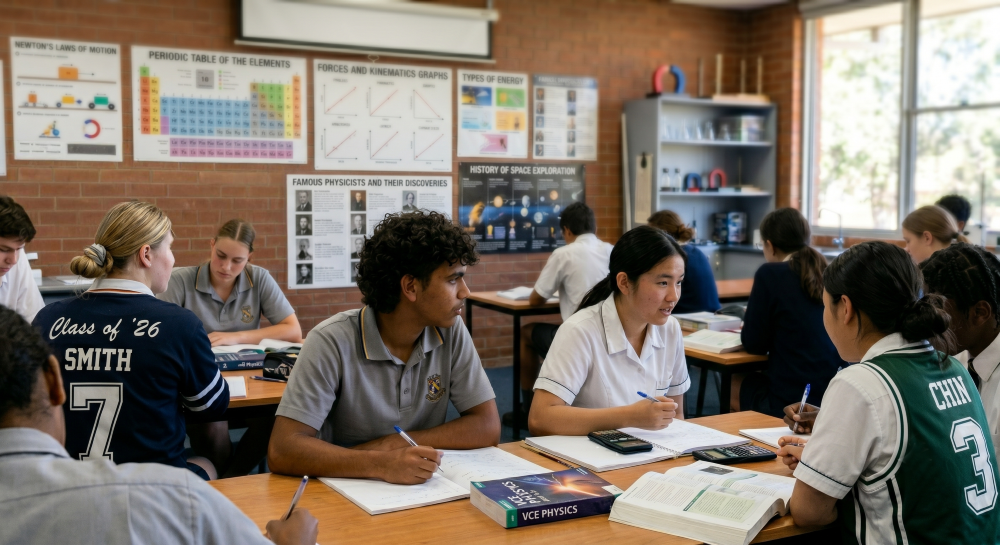
The hardest Physics questions aren't hard because the physics is advanced. They're hard because they ask you to chain several steps together - and one wrong turn early on quietly wrecks everything after it. The students who handle these well aren't faster calculators; they have a method that keeps multi-step problems under control.